Local And Global Computer Networks
Different features are used to classify computer networks, but most often the networks are divided into type by geographical location, i.e. by area covered by the network. And for that, there are good reasons, because the differences in local and global network technologies are very significant despite their continuous convergence. When considering all these topics, the main difference between LAN and WAN: LAN is networks with a clearly defined, limited number of nodes and a predetermined range of customers who are participants in the LAN organization. WAN - is not limited to its participants. Modern LANs can cover entire continents in remote work by participants in one organization using different tunnel protocols. In contrast, WAN is a broad-based network of undetermined users, not necessarily far from each other, but often linking local communities with close links, and opportunities for expansion are limited not by the technical properties of the network but by the social significance of information (e.g. local language).
However, we will still bring the definitions adopted in informatics against logic.
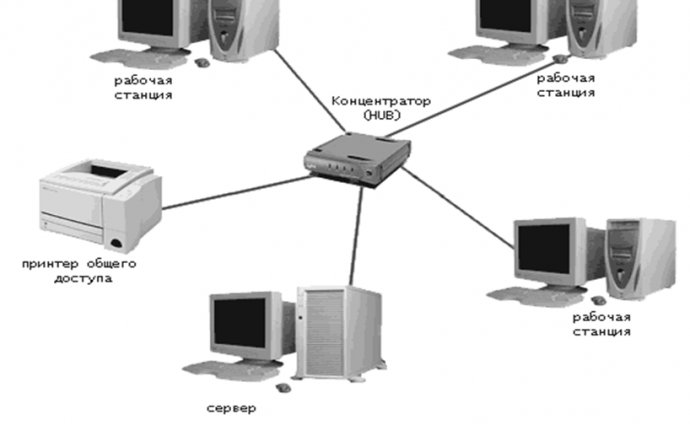
Local networks, Local Area Networks, LAN corporate computer networks concentrated in a small area (usually within a radius of not more than 1-2 km). In general, the local network is a communications system owned by one organization. Because of short distances in local networks, relatively expensive high-quality lines of communication can be used, allowing simple data transmission techniques to reach high data intervals of about 100 Mbit/s. The services provided by local networks are therefore wide-ranging and usually include on-line implementation.


